Category Archives: other words

port·ance

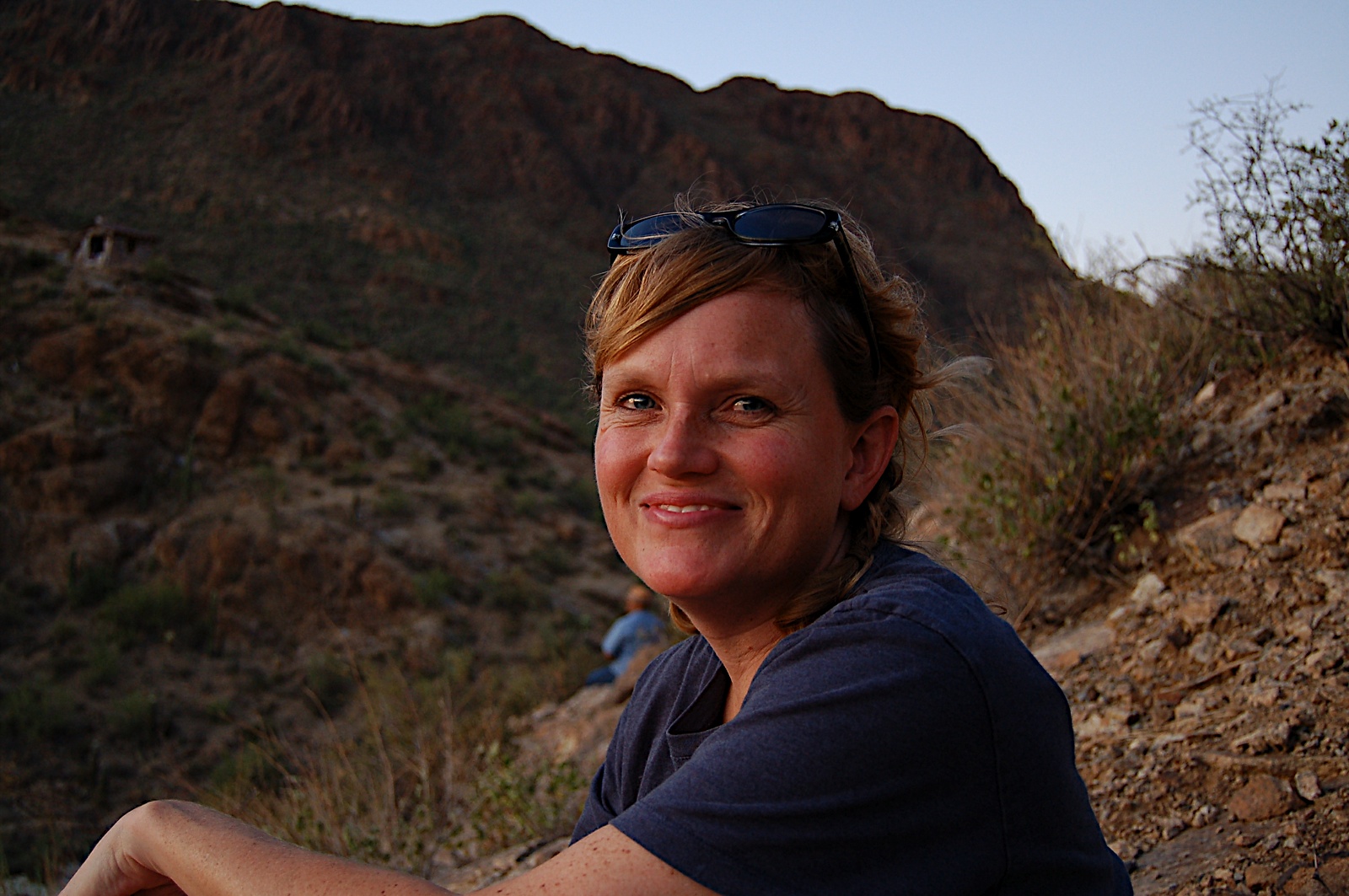
Photo by Johnny Mobasher


port·ance  (pôr/t’ns), n. [Early Mod. Eng. <Fr. portance < porter, to bear, carry; cf. –ANCE], [Archaic], conduct; bearing; carriage; demeanor


Today is the second anniversary of the dictionary project! I want to take a moment to thank you for reading this project and for the many ways in which you have offered your support for the project and have inserted your own stories, meaning, words. I am so grateful.

Our tradition at the dictionary project is to celebrate each anniversary by having a visiting author offer their own take on the first word that I ever chose by closing my eyes and running my finger through the pages of my dictionary. That word is portance. Please enjoy the evocative prose and storytelling of writer Elizabeth Frankie Rollins.


A Meal and a Dream


Once I had a meal and a dream that told me everything I ever needed to know about how to conduct myself, how to carry myself in the world.

Here’s the thing about that meal:  it was Tuscany night at the little restaurant out in a village, a limited menu, everything fresh, much of it from the garden right outside the windows where tall lilies waved orange in every single pane.

The salad was panzanella, tomatoes truthfully ripe, hunks of airy, vinegar-soaked bread, basil sparked oil.  There was red wine.  Summer’s dusk light hung bright around the table.  Stories floated over the silverware and glasses.

Not long after the panzanella, I saw Joyce Carol Oates arrive and sit at a long table with a bunch of professorial, writer-looking people.  It was August.  It looked like a departmental meeting.   Oates is unmistakable, with those rather awful glasses, but here’s the thing about her: I had just been staring at four shelves of her books in the library that very morning.  So many published books, a good teaching job.  I was writing my second book, my first novel.  Occasionally, I had to clean attics to supplement the money I made teaching.  I stared at her with jealousy.

Still, we were there.  The lilies waved at her, too.  We were eating from the same limited menu.

At our table of friends, my novel came up.  It’s a monster, I told them, scales and teeth and claws.  I reach into an abyss every day and I don’t know what will come out, or if it will bite, or be dead, or what.  We all laughed.  They had questions about writing a book.  I was relieved to be asked, and I answered them.  It felt good to make the private, difficult life of sentences tangible.

The main course arrived and it was a braised lamb stew, succulent with carrots and glimmering dark.  Earth and cosmos and dirt and sun.  Beneath the stew, a secret loam of tender mashed potatoes.  I ate.  I sipped wine. I closed my eyes over the last few bites.  My husband squeezed my leg because he loves when I am that rapturous.

After I finished, I noticed that Joyce Carol Oates was being served the fish, and I gloated over my own choice.   Also, she wore old lady pants, white with elastic at the waist.  Things evened out a bit between us.

For dessert, half a globe of buxom peach arrived, seared and dolloped with sweet cream.  I felt as though the garden, in sating me, had granted me a new body.  Even my bones felt light.

That night, we slept at our friends’ house in the country, on a white square bed with a woolen-colored dog at our feet and a breeze blowing white curtains over us.

As I fell asleep, I was aware of my husband murmuring, and the dog at our feet.  I saw how each of us was a continent, separate and yet sharing the world.

I began to dream.  I dreamt a procession of canvasses passing by.  Large and small, marked and unmarked. Black lines and white space emerging and vanishing.  A small woolen-colored canvas spun by.  A rectangle with gray blurred lines, a square with interlocking circles.  I watched these blank or marked canvasses emerge and pass by and thought: this is the beginning of creativity, a molecular illustration of how it happens. The marks of ideas in their origins, on their way to becoming other, real things in the world.   I became aware of the world around the canvases, a space filled with brilliant, suffused and loving light, a shimmering brightness so good and strong that it was unmistakable.  All decay and sorrow fell from me.

I believe that the light and the warmth and the goodness I saw that night is all around us, in and thick with everything. The connections and disconnections and inventions and sheddings.  It witnesses the marks made upon us, the marks we make on the world.  How one thing grows into another thing and another.  And when we die, we simply fold back into that light.  We come from it and carry it, and it awaits us.

Once I had this meal.  Once I had this dream.  I learned everything I need to know about how to conduct myself.  And yet.  There are days I forget.


Elizabeth Frankie Rollins has published work in Conjunctions, Green Mountains Review, Trickhouse, The New England Review, and The Cincinnati Review, among others.  An excerpt from her novel, Origin, will soon appear in Drunken Boat. Author of The Sin Eater, Corvid Press, she’s previously received a New Jersey Prose Fellowship and a Special Mention in the Pushcart Prize Anthology. She teaches writing at Pima Community College and the University of Arizona Poetry Center.  Installments of Origin and short fiction can be found here:

1 Comment

Filed under other words

for & out·build·ing

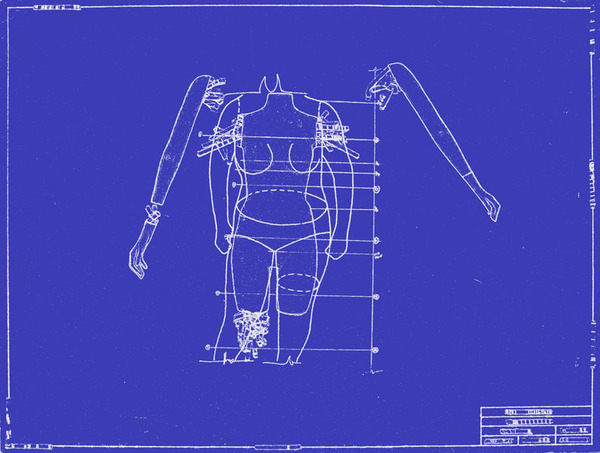
From artist Joanna Crichlow's "Blueprint" series

Things have been a little quiet over here at the dictionary project, and I want to thank you for your support and your patience. The resident logophile (AKA: me) has been teaching two intensive writing courses which means lots of reading, editing and supporting others’ writing and much less time to do my own. But tonight, it feels really important that I take a break from being a writing teacher and do some writing. So thank you for your attention.

Last year, I decided to randomly select two words for my birthday. I saw it as a way of marking the day and perhaps contemplating what might be in store. I picked two words because I was housesitting at the time and the dictionary available to me was in two volumes. Since I’m deciding to honor this tradition as an annual ritual, I again picked two words on my birthday (July 5th), this time from two different dictionaries (my Webster’s from 2004 and my Webster’s from 1955). I’ve written many versions of this post but I didn’t really feel enthused about what I came up with so I scrapped them all. Here is the one that, so far, feels most true.


1for \fər, ˈfȯr\ prep. 1 :  as a preparation toward <dress ~ dinner>  2 :  toward the purpose or goal of  <need time ~ study>  <money ~ trip>  3 :  so as to reach or attain <run ~ cover>  4 :  as being <took him ~ a fool>  5 :  because of <cry ~ joy>  6 — used to indicate a recipient <a letter ~ for>  7 :  in support of <fought ~ his country>  8 :  directed at: AFFECTING <a cure ~ what ails you> 9 —used with a noun or pronoun followed by an infinitive to form the equivalent of a noun clause <~ you to go would be silly>  10 :  in exchange as equal to: so as to return the value of <a lot of trouble ~ nothing> <pay $10 ~ hat>  11 :  CONCERNING <a sticker ~ detail>  12 :  CONSIDERING <tall ~ her age>  13 :  through the period of <served ~ three years>  14 :  in honor of <named ~ her grandmother>       (from Webster’s, 2004)

out·build·ing (out`bil`diŋ), n. a structure, as a garage or barn, separate from the house or main building.  (Webster’s, 1955)

After much thought and consideration, I have found that within these two words lies the import of our lives. We are where we are from and we are what we are constantly outbuilding for ourselves so that our lives can be what we want them to be. We are what is in us. We are what we create around us.

First, we are what is in us. This means the place of our birth, the landscapes we grew up in. We are our parents and ancestors, our communities, our ethnicities, our experience of gender, our hometowns, our accents, our languages. We are oak trees covered in Spanish moss. We are the smell of pine in the winter. We are darlin’ and mi carina. We are that time we fell from the monkeybars in second grade and we are the time we won the spelling bee and got to take our picture for the school yearbook. We are pizza and crank calls. We are songs we still remember all the words to because we couldn’t stop listening to them when we were thirteen. We are school plays and school concerts and school games. We are our first loves and our first and continuing heartbreaks. We are looseleaf and ballpoint pens and passing notes in class. We are talking on the phone for hours. We are trying to find the time to write, to email, to schedule a phone conversation when we are many miles away. We are the first time we got tipsy. We are the first time we flew on a plane alone. We are the first time we said “I love you.” We meant it. We are cartographers, drawing our destinies across the country, across the world. We are rivers we kayaked and mountains we climbed. We are movies so spot on that seemed as if the director had peered right into our souls. We are bad and good television. We are bad and good conversation. We are sacrifice and generosity. We are gossip and good neighbors. We are books and instruments. We are cookware and tools. We are the embraces that feel as if they will never end, and we don’t want them to. We are lovers and loving. We are dreams of children and babies we bear. We are holding hands when we lose something, when we lose someone. We are the moments when we know that we are, that we will always be okay, and we are the moments we feel broken beyond repair. We are the sky when it breaks open. We are the way the ground is both solid and yielding. Where we are from rests at our core, and we know that ultimately each of our cores is no different from the others because we are made of the same matter, carbon and water, stardust.

And we are also our own outbuilding, the additions we build, the structures we add on, the tangible and intangible beliefs and dreams and skills and networks that we create for ourselves, these things that are both separate from and a part of us and our lives.  We build for ourselves places to live, nooks to crawl into. We build an identity that feels true; we hold it inside our chests, sometimes rehanging pictures, sometimes adding new bookshelves and furniture. We build cars out of tiny scraps of confidence and trust and big panels of adventure, of myth, of risk, and we hope that these vehicles will take us to our next destination. We think we know what it is but we may not. We build something resembling home in every place we set up shop. We look for people who feel like family, and we build them guest rooms and treehouses and porches to sit on at night. We build propellers made of what we already know about ourselves and when they don’t spin right, we figure out where the cracks are, so that we can fly. We build dreams and we hope that the boats we have built to carry our dreams will not flood with water, will not sink.

Knowing where we are from, we outbuild. We are the cornerstone, the hearth of the house. We are the barn outside, stable but always leaning. We are the human heart. We are the body that contains it. We remember who we are (and how that is always changing) and we remember what we love (and how that is always changing) and we continue to be and we continue to build. Because that is, we know, the way this thing goes.


Leave a comment

Filed under other words

free·dom

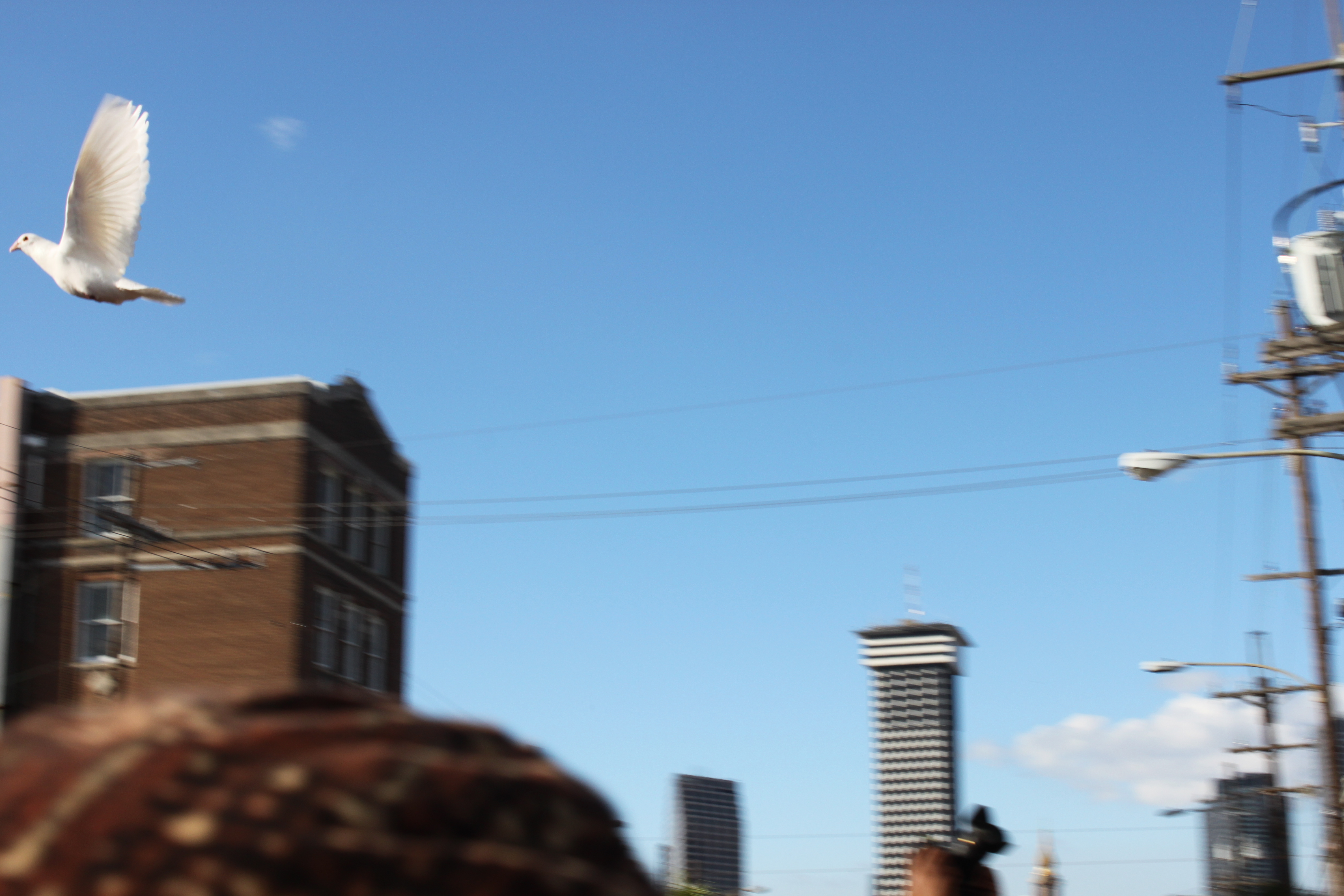
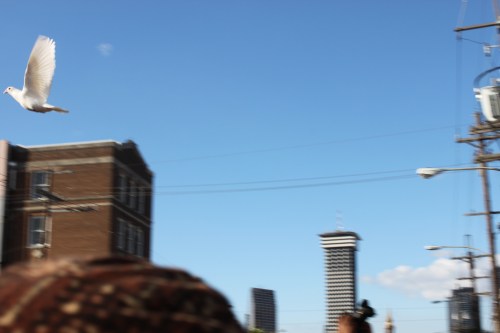
Dove release ritural at Freedom Riders Reception in New Orleans. All photos for this post by Lisa O'Neill

free·dom \ˈfrē-dəm\  1: the quality or state of being free: as a : the absence of necessity, coercion, or constraint in choice or action b : liberation from slavery or restraint or from the power of another : independence c : the quality or state of being exempt or released usually from something onerous <freedom from care> d : ease, facility <spoke the language with freedom> e : the quality of being frank, open, or outspoken <answered with freedom> f : improper familiarity g : boldness of conception or execution h : unrestricted use <gave him the freedom of their home> 2 a : a political right b : franchise, privilege

(from http://www.merriam-webster.com)


Monday night, I had the honor and privilege to bear witness to some of the original Freedom Riders as they “finished the ride” they began in May of 1961. These riders were joined by forty student riders, college students who were selected from over a thousand applicants to be part of this historic reenactment of the 1961 Freedom Rides.

In 1961, a group of riders–a mix of young men and women, black and white–gathered in Washington D.C. to undergo training for the ride they would take together on Trailways and Greyhound public buses through the Deep South. The training was so they would be able to remain nonviolent even when met with violence. They expected the ride to take two weeks and to arrive in New Orleans on May 16, 1961. Met with brutal violence in Alabama, the riders found themselves beaten and stranded in Montgomery, with no drivers willing to continue. The group was at an impasse and forced to abandon their journey. But unbeknownst to them, other groups had already begun to follow their lead. These groups got as far as Jackson, Mississippi before they were met with arrests and jailtime. No group ever made it the full way to New Orleans. But it was these riders, their insistence on traveling together and integrating public buses that led to the ICC ruling that segregation on interstate buses and facilities was illegal.

I arrived when the bus had already pulled up and the Freedom Riders were recounting stories from their time riding. After, doves were released in honor of the riders and in memory of those who had passed on. The number of stitches required after beatings were recalled (in one case, 57). As were the words spoken by those who rode. The names of cities infamous for tear gas, for burning buses, for beatings delivered with iron pipes, baseball bats, crowbars. Anniston. Birmingham. Montgomery.

Before heading off, these young people, in their teens and twenties, had written goodbye letters to their parents, had signed their last will and testaments. They understood that to get on those buses together was to put their lives on the line, and they did it anyway. They did it because the stakes were that high; the riders knew the stakes were that high because injustices were being done, over and over again. Black people being told they weren’t allowed. They weren’t good enough. These young people knew that lunch counters and bus rides were just individual, smaller deaths: a slow, lifelong version of hanging from a rope in an oak tree.

Their strength, their tenacity, the grace and integrity with which they conducted themselves and their action reminds me of the young students in Tucson, Arizona today who are fighting relentlessly to save their ethnic studies classes, classes that study the history of where they come from and that flesh out a holistic picture of the people who make up this country of ours. These students are insistent. They refuse to be ignored. But they too are committed to nonviolent resistance. They use the power of their words and their bodies but they do so in ways that do not harm others. Their actions are underwritten with the same mindset as the Freedom Riders: we understand the harm that has already been inflicted over and over again. We will fight for our rights, but we will not continue the violence, will not continue to be part of this cycle of harm.

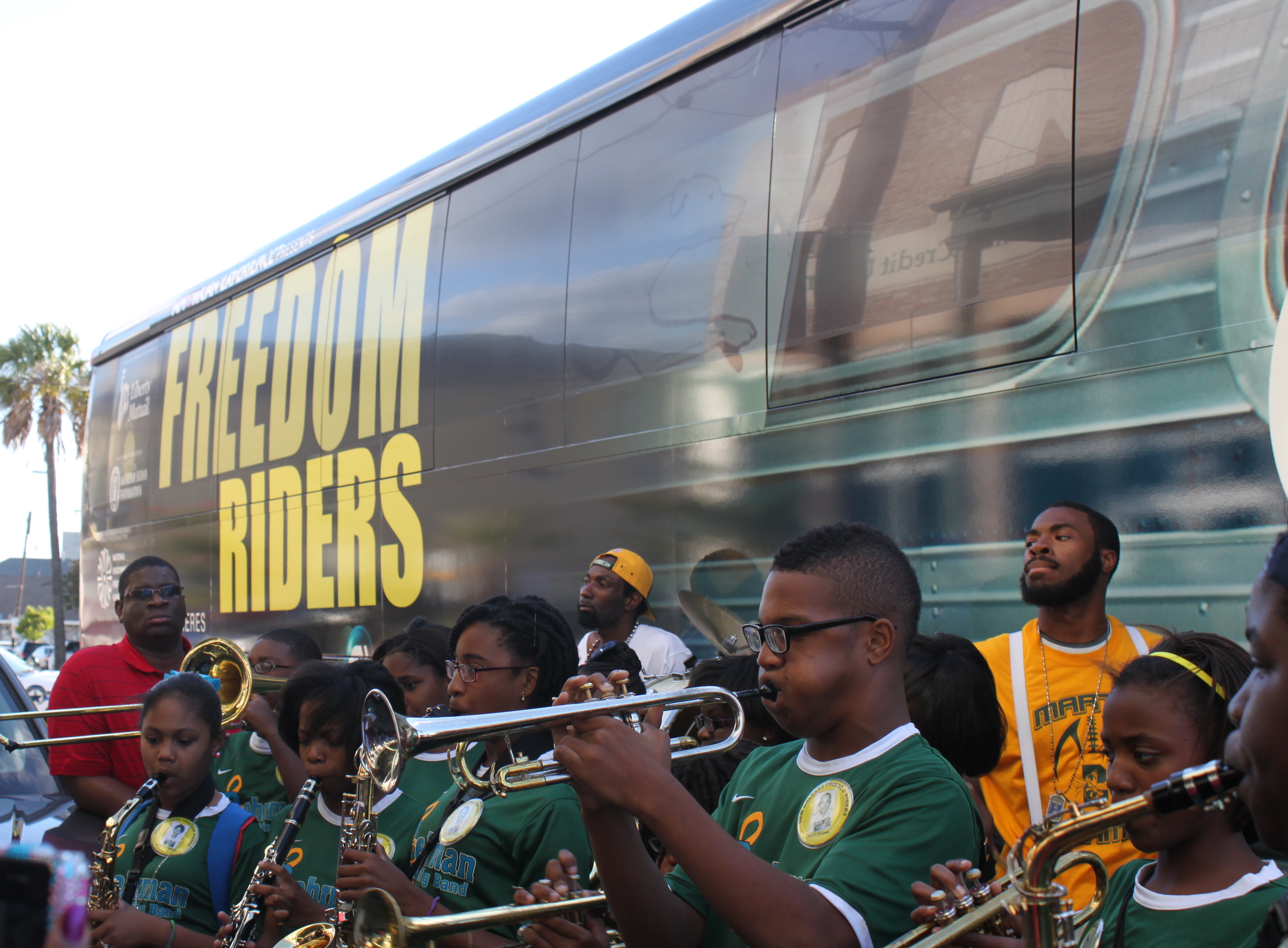
Brass Band plays at the 2011 Student Freedom Ride

The doves were released and a brass band made of young New Orleanians played as the Freedom Riders, old and new, crossed arms, joined hands, and made their way inside the Ashe Cultural Arts Center. Inside, Mayor Mitch Landrieu said a few words. Then, folks from WYES, where the documentary will air, spoke. Then, the director of Ashe. One of the riders from New Orleans Doratha “Dodie” Smith-Simmons spoke and as she did, she called out to the young people present, those who rode and those others present in the room, to work, to put themselves in positions that would be uncomfortable, to be willing to do so to work for change. “Find something to get pissed about,” she said. “And then do something about it. Because the struggle is not over.”

Student Freedom Riders Sing "A Change Is Gonna Come"

After a blessing, the room scattered to eat from the buffet: gumbo and red beans, salad, fried chicken. A singer came to the podium and the keyboardist began to play. Immediately I recognized the bars I knew from the beginning my favorite Sam Cooke song. “I was born by the river, in a little tent.” And when she got to the end, and she got to the last “long time comin’,” she held the ‘long’. She held it for what felt like forever. The room held its breath. Then it cheered. Because she held that note a long time, because she made us feel what a long time comin’ felt like. That moment times a thousand, times a million. A long time feels like forever when oppression is involved, when you are under the thumb and the thumb weighs down like iron. A long time feels like forever when you are the oppressor and have to work so hard to forget you are human to be able to oppress.

She kept singing: This Little Light of Mine, I Wish I Knew How It Would Feel To Be Free. During Woke Up This Mornin’ (With My Mind Set on Freedom), some of the Freedom Riders joined the singer on stage and sang. I was particularly impressed by Ernest “Rip” Patton, Jr. who solidly held down the bass line. Then, Smith-Simmons talked about We Will Overcome as the soundtrack of the movement.

Freedom Riders Lead the Crowd in We Shall Overcome. May 16, 2011

And the riders on stage crossed their arms across their bodies and joined hands. There was such an ease about this joining, a sort of familiarity with each other and with that gesture, their bodies slipping into muscle memory. I could imagine the eighteen-year-old versions of themselves doing the same gesture, over and over again. I joined hands with a middle-aged African-American woman to my left and a middle-aged African-American man to my right. During different points in the song, we squeezed each other’s hands. I let myself sing and really listen to the words. I let myself feel the passion in the voices of those around me. This wasn’t a Hallmark moment. This was a moment born from grit and determination and struggle. This was a moment in which everyone in the room was aware of the struggle, the struggle that is not finished, and yet was able to celebrate and able to say: despite the racism that still exists, the injustice that still abides within our communities, the prejudice we harbor in our own minds and hearts, we shall, we shall, we will overcome someday.

I grew up in a city that was sixty percent black, but the city I grew up in always appeared to be white. The textbooks I read told me the history of white people in Louisiana. The people in my neighborhood were all white. Most of the children at my school were white. Despite being surrounded in my hometown by black people, by black culture, I knew almost nothing about the history of black people in my state, and in the South period. I remember the time in high school spent memorizing the names of dead presidents more than I remember learning about the Civil Rights Movement.

It wasn’t until I lived other places that I was able to fully understand the reality of segregation in New Orleans. I always had this feeling in the pit of my stomach that something was not right, the black neighborhoods and the white neighborhoods, the way some of my friends’ parents discussed certain streets or blocks in hushed tones, the locking of car doors when a dark-skinned man was standing at a stoplight. But I had to go outside of my city to realize the way in which its people are divided and to realize the role I myself play in that division.

When I worked at a community center serving a largely African-American community in the Lower Garden District in my twenties, I remember having a conversation with one of the patrons who came in. He asked me where I was from. I told him I was from here, I grew up Uptown. And he laughed and replied, Oh, you’re not from New Orleans. He was right. My New Orleans wasn’t his. His New Orleans wasn’t mine. Since my early twenties, I have worked hard to try to really see my city and all its people, to fill in the gaps and better understand my hometown as it truly wholly is.

And I will admit that night, even as I was surrounded by the New Orleans community, I felt alone, out of place. I had gone by myself after not finding someone to come with me. I haven’t lived in New Orleans for seven years now so don’t have the same network I used to. But the real discomfort, the real feeling of being alone, came from the fact that I was back in my divided hometown and I was among a few white people there, maybe twenty to thirty of the hundreds. My discomfort came from feeling that although this historic event held significance for all Americans, all Southerners, all New Orleanians, it belonged less to me, and I needed to be respectful and conscious of this. I found it hard to navigate my place in this room. I still struggle, whenever I am home, to navigate my place in the city, now that I know its history better.

I had expected this sort of low  turnout from white New Orleanians. Just as I was not surprised, even if disturbed when, years ago, my white 70-year-old neighbor in New Orleans said that his office would not be having the day off for the Martin Luther King, Jr. holiday because “we don’t have that many black people in the office.” While there could be other reasons for low turnout by white New Orleanians, its hard to not come away feeling that many did not recognize the significance of the Freedom Rides on their own lives and on their own liberation. I am reminded of the Mayan Greeting that students in Tucson Ethnic Studies classes recite at the beginning of each class: “You are my other me. If I do harm to you, I do harm to myself. If I love and respect you, I love and respect myself.”

The discomfort and dissonance I felt is a necessary part of the process. That’s what I constantly ask of my students, to feel the cognitive dissonance with the texts we read, the films we watch, the conversations we have, and to engage anyway. The only way we will learn to understand each other as individuals is to stay through the anxiety and discomfort. To stand respectfully, with an intent to listen and engage, and to stay.
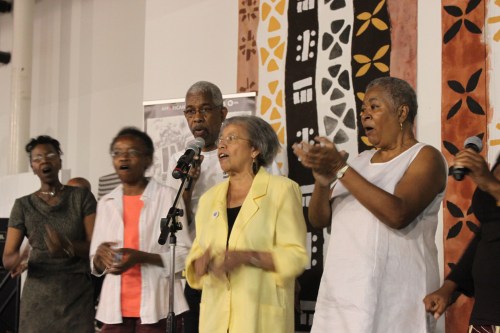
Original Riders Sing "Woke Up This Mornin'"at 2011 Freedom Ride.

I am embarrassed at how little I knew about the Freedom Riders before I watched the documentary (which is amazing and artfully done. You can watch it here: Freedom Riders). I knew there were buses. I knew there were people, both black and white, on them. I knew they came through the South and were confronted with terrible violence. But the details of the movement, of the ride, I knew nothing of these.

The documentary Freedom Riders  recounts history and retells the stories of the Freedom Riders a half a century later. The film contextualizes the rides within the movement and spends time documenting each day of the trip, each group of riders, each mob that attacked them. Along with footage of the ride and the riots, the film spends the majority of time telling the stories of the riders, officials, and local residents, people who were personally affected by the rides. What I was struck by in watching the documentary even more than the violence endured by the riders was their undeniable spirit, their belief that they would overcome and that they needed to be a part of this process of overcoming.

Photo from Mississippi Department of Archives and History. Freedom Riders, who were all part of the New Orleans's Congress for Racial Equality (CORE) group and were arrested were arrested in Jackson, Miss., in their efforts to desegregate bus terminals. From clockwise top left: Julia Aaron, Dave Dennis, Jean Thompson and Jerome Smith all

One of my favorite moments in the documentary comes when the first group of many Freedom Riders have been sent to prison in Parchment, Mississippi. Rather than pay fines for their crime of “Disturbing the Peace,” the riders chose to go to jail. They decided that if that’s what officials wanted to do, jail the riders, then the movement would just fill up the jail. They would keep sending buses, keep sending riders to Jackson. A group of eight riders were staying in a cell built for two. One of the riders is discussing how they made up a song and sung it to the jailers: “The buses are coming, oh yes. The buses are coming, oh yes. The buses are coming. The buses are coming. The buses are coming, oh yes.”

That transformed into: “You better get ready, oh yes. You better get ready, oh yes,” and when the jailers, fed up, told them to stop, they thought amongst themselves, What are they going to do, put us in jail?

The riders kept singing.

When the guards threatened to take away their mattress if they didn’t stop, the song became: “You can have our mattress, oh yes. You can have our mattress, oh yes…” Then it was the toothbrush, and after some deliberation, they kept on singing: “You can have our toothbrush, oh yes.” One rider joked that they learned to sing with their mouths closed to protect each other from their foul breath.

I was inspired by their levity, by their sense of humor even in the midst of such a dour situation, being imprisoned merely for trying to take public transportation, being denied basic rights because of the color of their skin. And in the face of all of this, continuing to defy authorities who were wrong and doing so with humor.

I was inspired by the Freedom Riders, many of them the first of their families to go to college, who left Fisk University at the end of the semester, dropping out because this ride was more important. I was inspired at the way the riders talked about Parchment Jail becoming a sort of university of nonviolence, where they engaged with each other in discourse about the movement, about how to make change nonviolently.

It was powerful to watch this documentary amongst my fellow New Orleanians, to engage in this part of history together.

I am humbled by the bravery of these young men and women who, despite the danger, despite criticism even initially from many within the movement itself, put their bodies and their lives on the line for justice, for freedom. I cannot even imagine what they must have been feeling as they sat on buses and watched mobs of people outside, who cursed them. People who were holding weapons and were set on killing them. The feeling of being left with no protection, abandoned by their own country. This is a reminder to me to never forget those who have made sacrifices in the name of justice. It reminds me to aspire to be more like them, to harness their example as a way to inspire bravery and action in myself to continue the ongoing work for justice in my communities and my world. It reminds me that this is work I need to pay attention to, that I need to engage in every day of my life.

One of the student riders in the Freedom Rider renactment of 2011.
2 Comments

Filed under other words

thrive

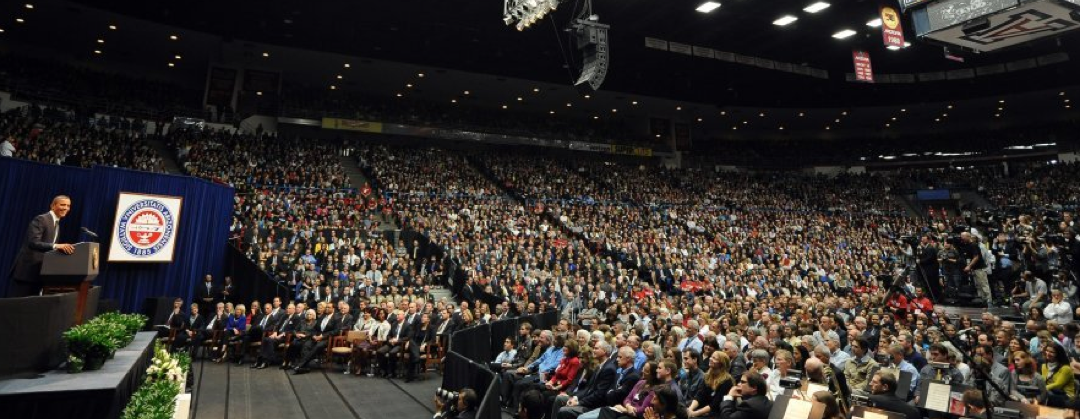
Obama Speaks At Memorial for Victims of Shooting, http://www.huffingtonpost.com

thrive* \ˈthrīv\ verb

1. To make steady progress; prosper.

2. To grow vigorously; flourish

*The title of tonight’s memorial was “Together We Thrive: Tucson & America”

I was there tonight in Tucson. I stood in line with the thousands to be able to participate in the memorial for the victims of Saturday’s tragic shooting, to be able to pray for healing of those who are still in the hospital and for all those impacted by this tragedy.

I went because I wanted to stand up with my community and remember those we have lost. I went because I wanted to pray for the healing of those who suffer. I went because I wanted to hear what our leaders had to say.

As a college instructor, I have decided to spend some of my rhetoric class time examining and discussing texts about the shooting. It not only feels relevant to talk about words and their meaning at times like this, it feels necessary to give students a space in which they can wrestle with their feelings about an act of violence taking place in their adopted town, at a grocery store that could be their grocery store.

As we discuss in class, the words we say and the way that we say them matters. We each need to take responsibility for our own words and we need to call those we listen to, particularly our media and our political leaders, to be responsible for theirs and to speak in a way that invites rather than discourages open and thoughtful conversation. Obama said it the best last night when he said: “It’s important for us to pause for a moment and make sure that we’re talking with each other in a way that heals, not in a way that wounds.”

One of the moments I valued most about tonight was when President Obama spoke about the importance of not making this an opportunity to hate one another. He said: “But what we cannot do is use this tragedy as one more occasion to turn on each other. That we cannot do. That we cannot do.”

I myself am guilty of this. When 19 people, including a congresswoman I deeply respect, were shot on Saturday, I immediately thought of the rhetoric surrounding her reelection campaign. I thought of Jesse Kelly and his screaming campaign strategies. I thought of the tea party and how often their language includes words that insinuate violence, and how whether these words are figurative or literal is often hard to tell. And on top of the enormous sadness I felt, I became really angry.

We need to listen critically to all points of view we are exposed to. But being angry and blaming those who invoke this kind of language is not ultimately the solution. The solution is not to return anger with anger, hate with hate. It seems to me that the only real solution is to move towards a society in which kindness, respect and empathy are woven into the fabric of our institutions, our neighborhoods, our daily lives. And while I do think it is important to hold our leaders and media personalities accountable for their language and encourage speech that is inclusive to understand different points of view (as Obama talked about when he emphasized the need for civil discourse), it seems to me that the most important step that each of us can take individually is to model in our day to day lives what we want our world to look like.

Meaning: we choose to be kind, to be empathetic, to be respectful, to be generous. We weigh carefully the words we use when we speak to one another. This sounds simple, but I believe it is one of most difficult things we can commit ourselves to doing. I think of how many times per day I allow myself to become annoyed with other people: because they are not moving quick enough, because they should have used their blinker, because they are being too loud. Sometimes I merely note this to myself, but sometimes this annoyance comes out in my speech or my body language, to my perceived offenders or to other people.

One of the things I have heard multiple people say about Gabby is that she is someone who genuinely loves people, someone who tries to find the good in each person she meets.

Our responsibility is not only to be kind to the people we know and love (and let’s be honest, we aren’t always even able to muster that), our responsibility is to be kind and loving to people we don’t know and yes, to people that to us, for whatever reason, feel the hardest to love.

Underneath vitriolic political rhetoric, underneath cuts to mental healthcare, underneath lax gun control laws—all of which are valid and important things to discuss and sort through together—is a society has become sick from a severe lack of connection. We don’t realize how much we need each other or how our choices and interactions impact each other. We don’t try to understand each other. We don’t love each other in the way that we need to love and be loved. This denial of our interconnectedness is a wound we all carry and it is something that we can begin to change with every interaction we have.

Tonight, as President Obama shared stories about each of the victims, we laughed and smiled and cried as we, as a community, celebrated their lives and, in turn, grieved for their loss. When the President told us that Gabby Giffords had opened her eyes for the first time, the stadium erupted in joy, people jumping out of their seats, tears streaming down cheeks.

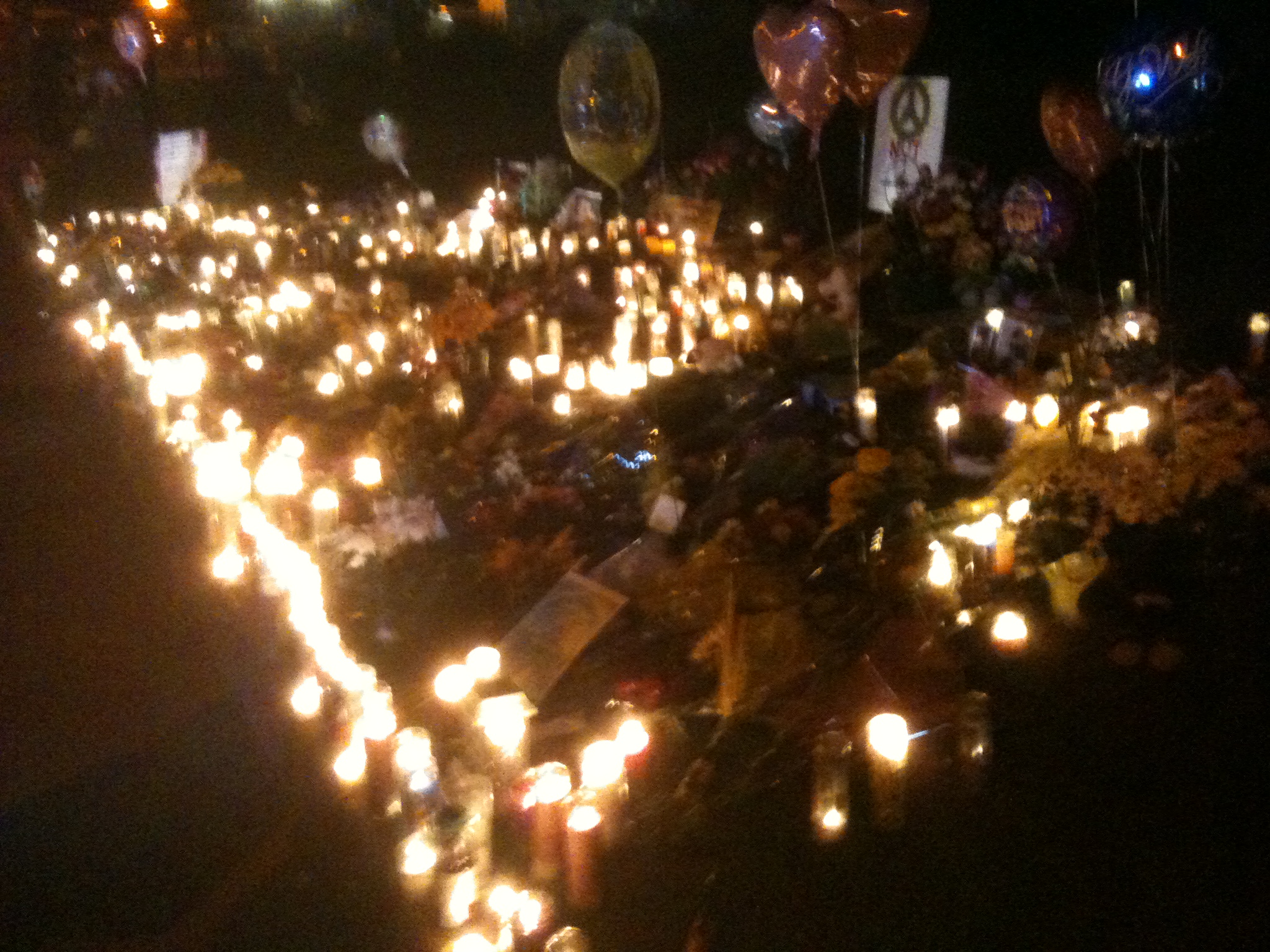
I think of a young man I saw at the University Medical Center on Sunday night who had a piece of fabric safety pinned to the back of his hoodie with these words: Love is stronger.

Love is stronger.

The actions we take tomorrow, next month, next year will not undo the tragedy that has been inflicted on these individual souls, on their families, on our community and our nation. There will be many more tears. There will be years of recovery and struggle. There will be much sorrow and much need. And, by saying what I say here, I in no way mean to minimize the gravity and sadness that permeates all of this.

But, it seems to me that loving each other better, caring about each other more is the only answer. This will come out not only in our daily interactions but in the decisions we make collectively as a community and as a nation. I believe this kind of love is possible. I believe in its possibility because I have known too many stories, seen too many miracles, known too many people who demonstrate in their own way the decency and compassion and beauty and endurance of the human spirit.

For now, we can pray for the strength to love each other and that the ways we can do so will be shown to us all.

Sunday 1.9.11 at UMC, Tucson

4 Comments

Filed under other words

peace

peace noun \ˈpēs\  1 : a state of tranquillity or quiet: as a : freedom from civil disturbance b : a state of security or order within a community provided for by law or custom <a breach of the peace> 2 : freedom from disquieting or oppressive thoughts or emotions 3: harmony in personal relations 4 a : a state or period of mutual concord between governments b : a pact or agreement to end hostilities between those who have been at war or in a state of enmity 5 —used interjectionally to ask for silence or calm or as a greeting or farewell — at peace : in a state of concord or tranquillity


what we need now

in our hearts

in our communities

in our words and actions towards one another

in our world

I took this outside UMC in Tucson this evening, 1/9/11

2 Comments

Filed under other words

auld lang syne

auld lang syne

auld (ôld) Scots adj. Old.

lang·syne also lang syne (lăng zīnˈ) Scots. adv. long ago; long since.  n. time long past; times past.


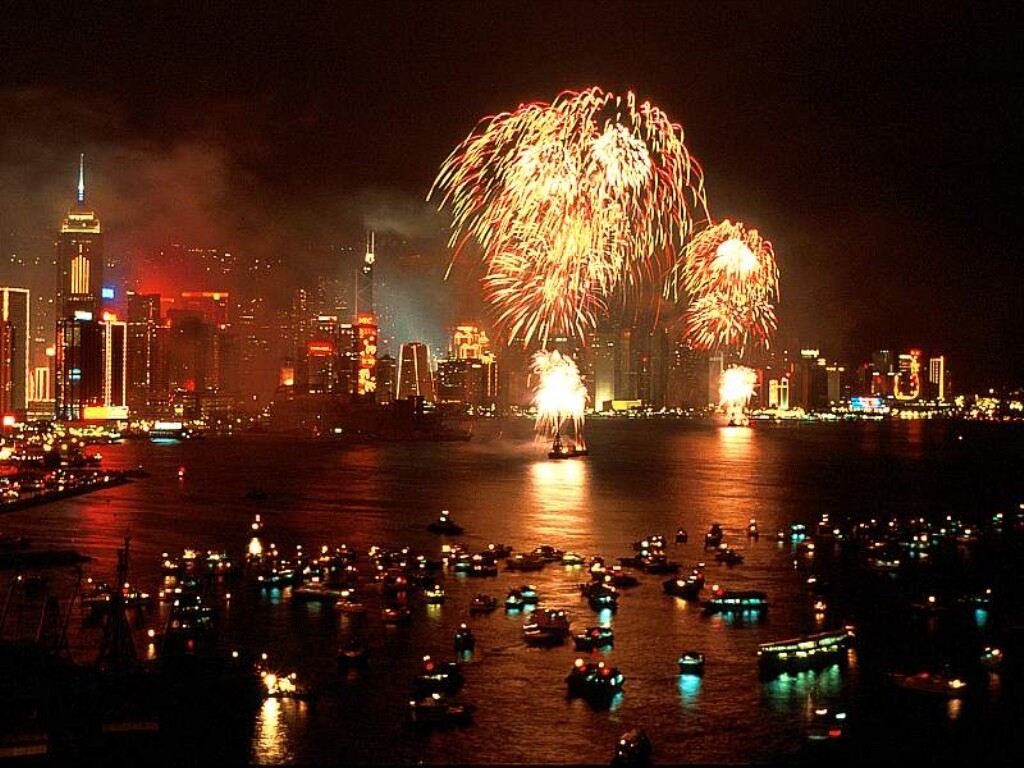
For times gone by. For old times. The song that no one knows*, that everyone mumbles while exchanging kisses on the striking of the New Year seems to be really all about what we all do at the end of the year. We remember. We reflect. We think back on what has happened since our last December 31st. We wonder about what the year to come will bring, and we also consider the experiences that have changed our lives in those twelve months. For me, from year to year, I seem to have polarizing reactions. Either it is “Amen, this year is over. Good riddance!” or it is “How will next year ever compare?” So this year, I challenge myself to remember all of the happenings of this past year and to move forward with a spirit of adventure, acknowledging and letting go of this past year, the joys and the sorrows, as I head forward into the next.


Happy New Year!


*The original song was written by Scottish poet Robert Burns in 1788, and, for the record, here are the original lyrics and the English translation:

Burns’ Version English Translation
Should auld acquaintance be forgot,
and never brought to mind ?
Should auld acquaintance be forgot,
and auld lang syne?CHORUS:

For auld lang syne, my jo,
for auld lang syne,
we’ll tak a cup o’ kindness yet,
for auld lang syne.

And surely ye’ll be your pint-stowp !
and surely I’ll be mine !
And we’ll tak a cup o’ kindness yet,
for auld lang syne.

CHORUS

We twa hae run about the braes,
and pu’d the gowans fine ;
But we’ve wander’d mony a weary fit,
sin auld lang syne.

CHORUS

We twa hae paidl’d i’ the burn,
frae morning sun till dine ;
But seas between us braid hae roar’d
sin auld lang syne.

CHORUS

And there’s a hand, my trusty fiere !
and gie’s a hand o’ thine !
And we’ll tak a right gude-willy waught,
for auld lang syne.

CHORUS

Should old acquaintance be forgot,
and never brought to mind ?
Should old acquaintance be forgot,
and old lang syne?CHORUS:

For auld lang syne, my dear,
for auld lang syne,
we’ll take a cup of kindness yet,
for auld lang syne.

And surely you’ll buy your pint cup !
and surely I’ll buy mine !
And we’ll take a cup o’ kindness yet,
for auld lang syne.

CHORUS

We two have run about the slopes,
and picked the daisies fine ;
But we’ve wandered many a weary foot,
since auld lang syne.

CHORUS

We two have paddled in the stream,
from morning sun till dine ;
But seas between us broad have roared
since auld lang syne.

CHORUS

And there’s a hand my trusty friend !
And give us a hand o’ thine !
And we’ll take a right good-will draught,
for auld lang syne.

CHORUS


And here’s a clip from one of my favorite movies of all time:

Leave a comment

Filed under other words

an·ni·ver·sa·ry

an·ni·ver·sa·ry (ænɪˈvɜːsərɪ) adj. [L. anniversaries < annus, year + versum, pp. of veriere, to turn],  1. recurring at the same date every year; occurring annually.  2. of or connected with an anniversary.  n. [pl. ANNIVERSARIES (-iz)], 1. the yearly return of the monthly date of some event  2. the celebration of this.

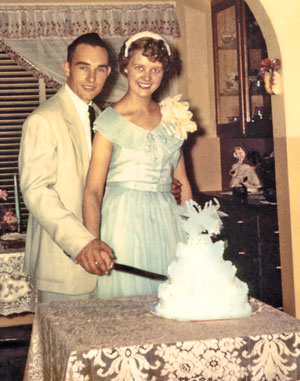
Today is the one-year anniversary of The Dictionary Project. Thanks to all of you for reading and being a part of this experience. Anniversaries are times to reflect and be grateful. This project has been a wonderful way for me to explore different ideas and thoughts. The constraint of blindly selecting each week’s word has forced me to think about words and definitions I might have never considered otherwise. This has been a challenging and enriching experience. Beyond that, I have become even more sensitive than I was before about the use of language, how we imbue words with meaning and how we bring our own experiences, ideology, and environment to each word we use and consider.

Throughout this week, I will be posting writing from guest contributors who are writing on the first random word selected when I began The Dictionary Project last year. The word is portance.

Thank you again for being part of this journey.

Leave a comment

Filed under other words

po·tiche & hurl·ing

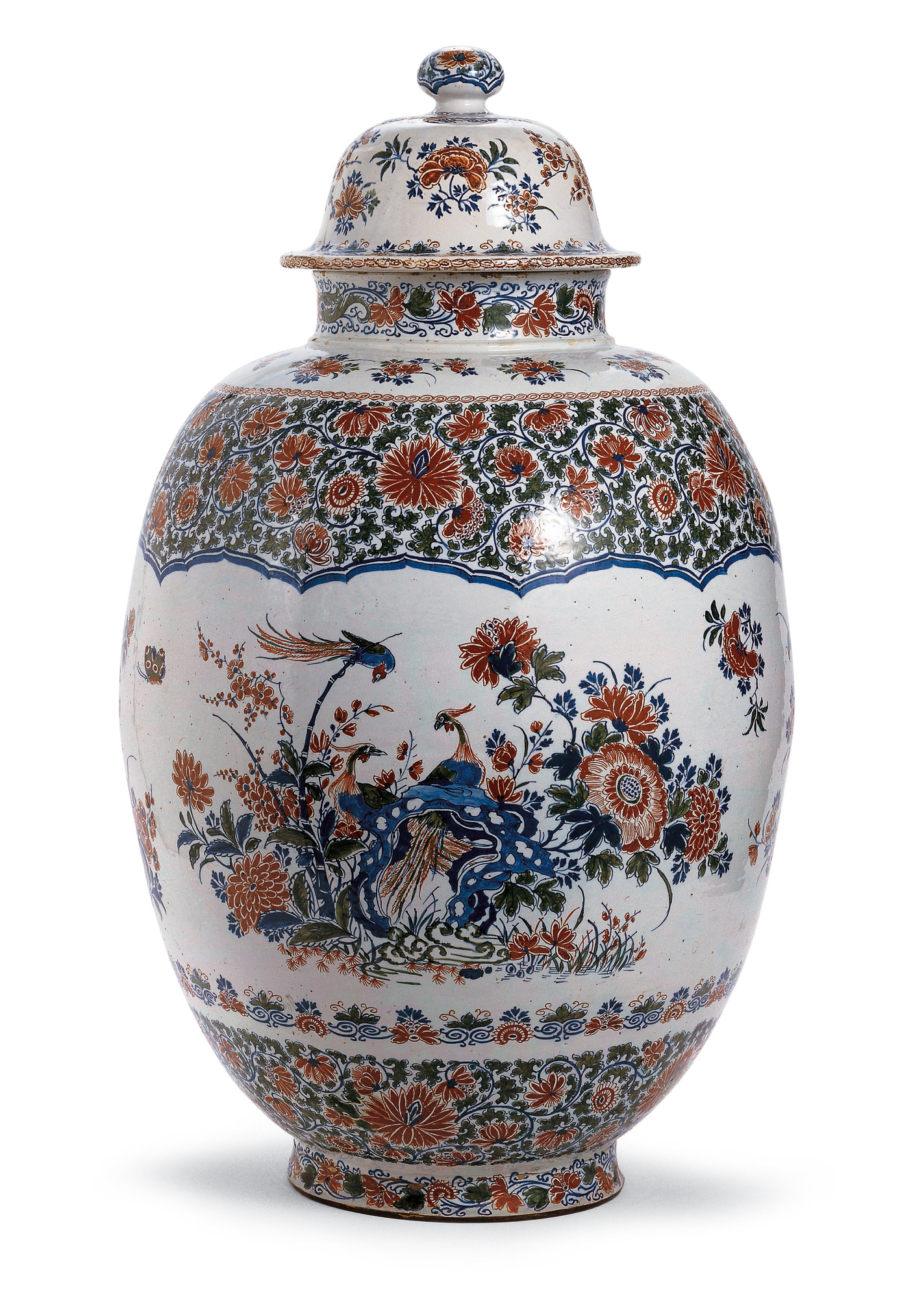
A potiche. Isn't it lovely? I want it!

po·tiche n. Pl. pronounced same. L19 [Fr.] A large (esp. Chinese) porcelain jar or vase with a rounded bulging shape and a wide mouth, freq. having a lid.

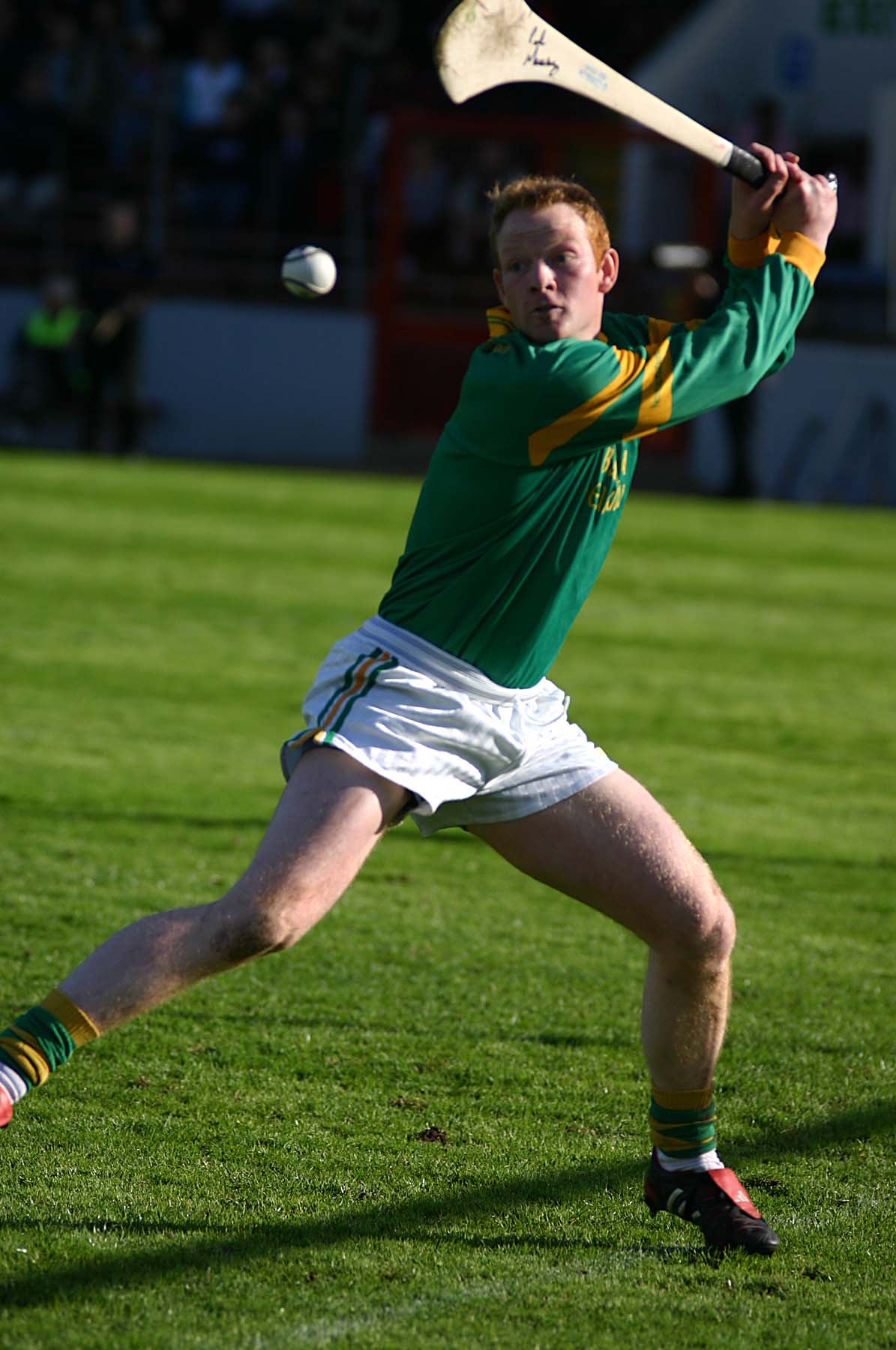
hurl·ing  n. LME. [f. HURL v. + -ING.] 1. The action of HURL v.; throwing, casting, esp. with violence.  LME. 2a. The game of hurley, in which two parties attempt to hurl or carry a ball to a distant goal.  E17. 3. Strife; commotion. LME-M17.  4. (The sound of) the violent rushing of wind.  LME-M17.

On my birthday two weeks ago, I decided to use the two volume Oxford Dictionary at the house where I was staying to pick two words for myself, for that day, maybe even the year. I closed my eyes, flipped the pages, picked a page and, eyes still closed, ran my index finger across the page. These were the two I came up with. And I think there is something beautiful in their pairing. There is beauty and fragility. And there is roughness, throwing, casting out with violence. There is softness and force. And isn’t this really every day in this world of ours?

The beauty of a child’s laughter. The violence of war, broadcast over the radio or television waves. The softness of a hug from a dear friend. The force of a backhanded comment, a gossipy word said behind your back. The fragility of a flower impossibly growing up out of the asphalt. And the strife of a field burnt from harsh sun and lack of water. The rough elegance of a beaded necklace. And the elegant roughness of the calloused hands that beaded it.

Sometimes we value the tender over the forceful. And sometimes we value force over tenderness. The qualities themselves exist without good or evil. It is the way in which we employ these qualities that give them meaning. And the truth is that we need a balance. I think of how, as a young woman, I had the realization that I needed to be more assertive. At first this seemed contradictory. I felt in conflict with myself. I worried about having to be someone other than who I was. But then I realized that asserting my voice and making myself heard wasn’t about denying my feminine qualities. It was about honoring all of me, all I had to offer: the tender, the grace, and the violent rushing of wind.

A "hurler"

and for fun!

1 Comment

Filed under other words

belle

belle (bel) n. [Fr., fem. of beau; see beau],  1. A very attractive woman or girl.  2. The most attractive or most popular woman or girl of a certain place or on a given occasion: as, the belle of the ball.

Rue McClanahan as Blanche Devereaux

This is one of those uncharacteristic times when I choose a word to ruminate on in addition to the word of the week. And this word is “belle.”

In the last month and a half, we have lost two iconic actresses who created iconic characters: Dixie Carter as Julia Sugarbaker and Rue McClanahan as Blanche Devereaux.

I have been uncharacteristically sad about these celebrity deaths. I have always loved Designing Women. As an avid fan of The Golden Girls, I grieved the loss of both Bea Arthur and Estelle Getty this past year. However, there

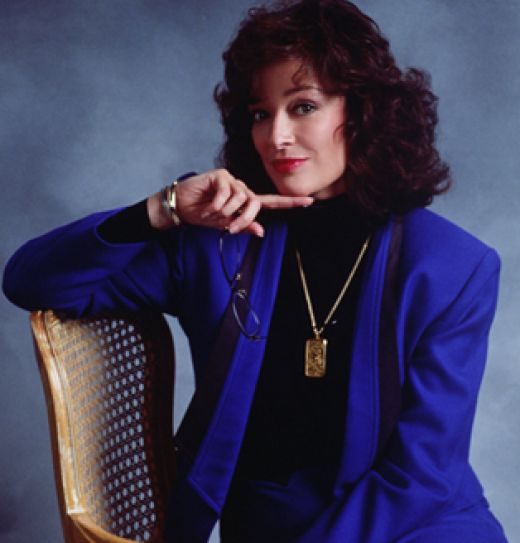
Dixie Carter as Julia Sugarbaker

was something different about the loss of Rue.

Let me offer some context. I was born and raised in New Orleans, Louisiana—in a place where, despite modern times, I learned that women were supposed to dress, act, and behave in certain ways. I wore tights as a little girl and at about age eleven switched to pantyhose (even in summer, in Louisiana). My mother never let me leave the house without something being pressed. I learned to have pride in my appearance, in the way I dressed and the way I conducted myself.

I learned that there was no white after Labor Day. I learned about pearls and handkerchiefs and linen and seersucker. I learned the importance of presenting oneself in a certain way. I also learned that women were to be smart (but not too smart), interesting (but not too interesting).

I was fortunate enough to be raised by progressive parents, who encouraged me to do whatever I wanted to, who believed I could do anything a boy could do. They encouraged me to follow my dreams and to pursue whatever held my interest. However, despite their support, I always had a feeling that I might have to sacrifice one part of myself for the other. I would have to cover up my femininity in order to be strong. I would have to pretend to be passive to maintain my girl-ness.

I watched The Golden Girls and Designing Women during formative years in my life. The first time I remember watching The Golden Girls was when I went to my grandmother’s house after school in junior high. It was a hard time for me. My parents were separated, which had come to me as a total shock. I was at a new school for the first time, and for the first time, I was in class with boys. I felt like I didn’t fit in and had no chance of being popular. I have always loved these two shows, but it wasn’t until the stunning sadness at the loss of these two women that I have begun to understand why.

I realize now that in Julia and in Blanche, I found role models of what it means to be a real Southern belle. Not a Scarlet O’Hara or a Blanche DuBois, but a belle for modern times. A belle who is self-defined instead of defined by men’s expectations of her.

These were woman who were attractive and not just because of what they looked like. These were women who were smart and educated. They had family lives and professional lives. They had quick wits and were quick to use them. They were classy, well-dressed and gorgeous. They had beautiful, intimate friendships and sometimes challenging but fulfilling romantic relationships. They had grown into themselves and were responsible for that growing.

And they were older. Rue McClanahan once said of The Golden Girls: “that when people mature, they add layers.” And the show was a revelation of that fact, a fact that women need to hear. Because I think there is still an idea in our culture, which is much too rampant, especially in the South. That being that women are to be respected because of their beauty and when they are older, they become washed-up, objects to be forgotten about or thrown away. The show proved that women become even more assured and knowledgeable and interesting with every year that passes. Women become more beautiful with more life experiences and lessons learned, with more laugh lines and wrinkles.

The shows themselves had substance, unlike most shows today, and were not afraid to tackle controversial issues, like HIV/AIDS and racism. Because the writing was so good and the acting was so strong, these issues worked seamlessly into the dialogue and action of episodes. And one of the commonalities between them was a strong feminist thread. In their episodes, Designing Women and The Golden Girls dealt with: abusive relationships, domestic violence, sexism and sexual harassment, violence towards women and self-defense courses, expectations for women’s beauty, and sex and sexuality.

These shows weren’t produced as Public Service Announcements but as powerful dramatic and comedic programming that revealed real characters working through and struggling with these realities in their day to day lives. And so, when I was young, I learned vicariously what it meant to stand up for myself, and how I should be treated, with respect and love.

I want to use these women to redefine the conception of Southern belles. The thing about real Southern belles is that they don’t restrict themselves. At the same time, and in the moment they sashay their hips, they are feminine and strong, they are classy and kitschy, they are sweet and what some may call bitchy. They are bold with their own ideas and receptive to others’. They are sexy and innocent. They are the ultimate hostesses and vulnerable to making mistakes. They refuse to be defined as one thing or another. They can be both and all.

I learned from these women that it was okay to be myself, that it was fullness and contradiction that makes women beautiful. I learned to accept all my qualities as valuable. Some might call Julia a bitch because she spoke her mind. Some might call Blanche a slut because she took charge of her own sexuality. I call them strong Southern women who I was lucky to see as an impressionable little girl. I will always be grateful to Dixie and to Rue for creating such lovely and lovable complicated women who became role models of how to be it all, how to have it all, and most of all: how to be myself.

3 Comments

Filed under other words